To build a high-performing software product we require more than just skilled developers, the process demands rigorous, continuous quality assurance. As engineering teams increasingly distribute across the globe, sourcing top-tier QA and Test Automation Engineers remotely has become a strategic advantage.
This guide outlines how to identify, evaluate, and integrate remote QA talent to ensure your software remains scalable, secure, and bug-free.
Why Remote QA and Test Automation Matter
In a modern CI/CD pipeline, testing cannot be an afterthought. Sourcing QA engineers remotely allows organizations to:
- Access Global Talent Pools: Scale beyond local talent shortages and find niche skills in specific testing frameworks
- Achieve Continuous Testing: Spanning time zones enables round-the-clock testing cycles, code written during the day can be verified overnight.
- Optimize Budget Efficiency: Scale testing infrastructure and human capital cost-effectively without sacrificing technical standards.
Key Roles: Manual QA vs. Test Automation Engineers
Understanding the structural differences between these roles ensures you hire the right expertise for your current stack maturity.
| Capability | Manual QA Specialist | Test Automation Engineer |
| Core Focus | Exploratory testing, usability, edge-case detection, and UX validation. | Framework development, regression suite automation, and CI/CD integration. |
| Primary Tools | Jira, TestRail, Postman, Charles Proxy, Browser DevTools. | Selenium, Cypress, Playwright, Appium, JUnit, Jenkins/GitHub Actions. |
| Best Used For | Early-stage features, ad-hoc exploratory testing, and complex user flows. | Repeated regression testing, load/performance tests, and API validation. |
| Coding Required | Minimal to none (scripting/SQL helpful). | Strong (Java, Python, JavaScript/TypeScript, or C#). |
Essential Technical Skills to Look For
When evaluating remote candidates, screen for both core QA principles and framework-specific knowledge:
- Automation Framework Design: Candidates should know how to build maintainable, scalable test frameworks from scratch (e.g., Page Object Model pattern) rather than just writing basic test scripts.
- API & Backend Testing: Proficiency with REST/GraphQL APIs using tools like Postman, REST Assured, or Supertest.
- CI/CD Integration: Experience triggering automated test suites within pipelines using tools like GitHub Actions, GitLab CI, or Jenkins.
- Non-Functional Testing: Familiarity with performance testing (JMeter, k6) and security testing basics.
How to Evaluate Remote Candidates Effectively
Remote hiring requires testing a candidate’s self-management and communication capabilities alongside their technical code quality.
- Technical Assessment (Take-Home or Pair Programming): Provide a small, mock web application or public API and ask the candidate to write a lightweight test suite using Cypress or Playwright. Focus on clean code, assertion logic, and framework setup.
- Exploratory Testing Challenge: For manual/hybrid roles, present a buggy staging environment for 20 minutes and evaluate how systematically they log, prioritize, and describe reproduce steps for identified issues.
- Communication & Documentation Check: Ask candidates to write a detailed bug report or test plan. Clear, concise asynchronous written communication is vital for remote team integration.
Onboarding and Scaling Remote QA Talent
Once hired, smooth integration relies on clear documentation and continuous alignment:
- Centralize Test Documentation: Maintain clear test cases, coverage maps, and architecture diagrams in accessible repositories (e.g., Confluence, Notion).
- Define Definition of Done (DoD): Ensure remote QA engineers work closely with product managers and developers early in the sprint to define acceptance criteria before development begins.
- Provide Proper Environment Access: Set up secure VPNs, staging environments, test data generators, and cloud device farms (e.g., BrowserStack, Sauce Labs) prior to Day 1.
Hire Pre-Vetted Remote QA Engineers with RapidBrains
Sourcing, screening, and onboarding qualified quality assurance specialists can slow down your product development roadmap. Traditional recruitment pipelines often take weeks, if not months to filter through endless resumes, coordinate technical assessments, and negotiate contracts. Meanwhile, critical software releases sit on hold, bugs slip through to production, and existing engineering teams burn out trying to cover the gap.
RapidBrains completely eliminates these hiring bottlenecks. By leveraging a global talent pool of elite, pre-vetted engineers, RapidBrains connects your engineering leadership directly with top-tier remote QA and Test Automation specialists. Every candidate in our network undergoes a rigorous screening process that evaluates technical fluency, framework mastery, automated pipeline integration, and asynchronous communication skills.
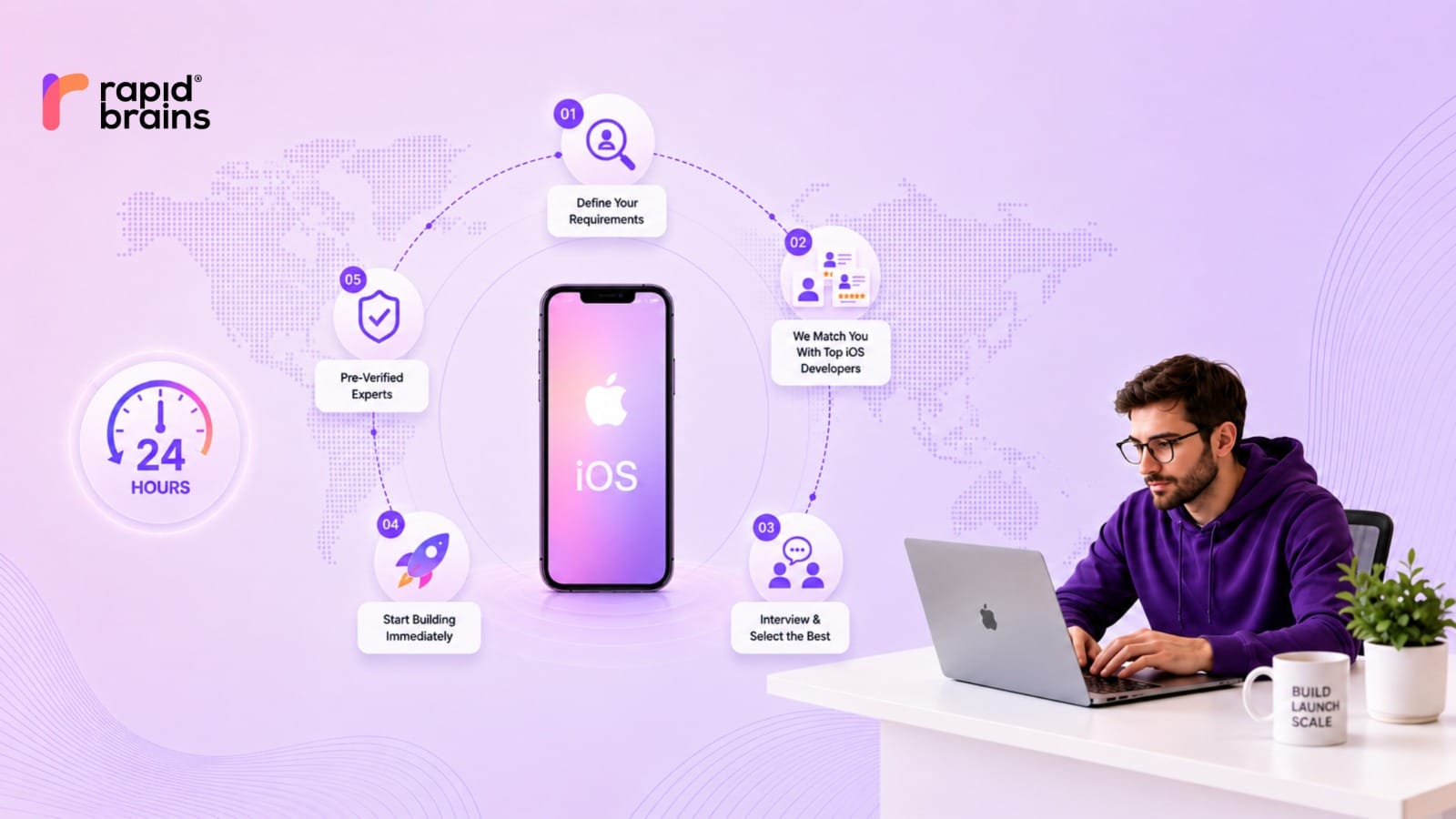
- Deploy Talent in 24 Hours: Skip the lengthy sourcing phase and onboard ready-to-deploy QA engineers who seamlessly integrate directly into your active sprint cycles within a single business day.
- Flexible Staffing Models: Whether you require immediate staff augmentation for an urgent release, specialized automation expertise to migrate legacy test suites, or dedicated full-time remote talent to scale your core engineering unit, RapidBrains adapts to your specific operational needs.
- Zero Overhead & Full Compliance: We handle the administrative complexities which include global payroll, compliance, and onboarding infrastructure, so your engineering managers can focus entirely on shipping high-quality code.
Partner with RapidBrains to build a resilient, scalable quality assurance operation without the traditional hiring drag. Get matched with reliable engineering talent and elevate your release confidence today.