For years, boardrooms evaluated offshore engineering through a single metric: cost per hour. Lowering overhead was the main objective, and managing time-zone friction or quality variance was treated as an acceptable trade-off.
Heading into the 2030s, that model has reached its limit.
While market projections estimate global IT services and software outsourcing between $800 billion and $850 billion, focusing solely on market size obscures a fundamental shift. The real story is not how fast the market is growing, but why companies are expanding across borders.
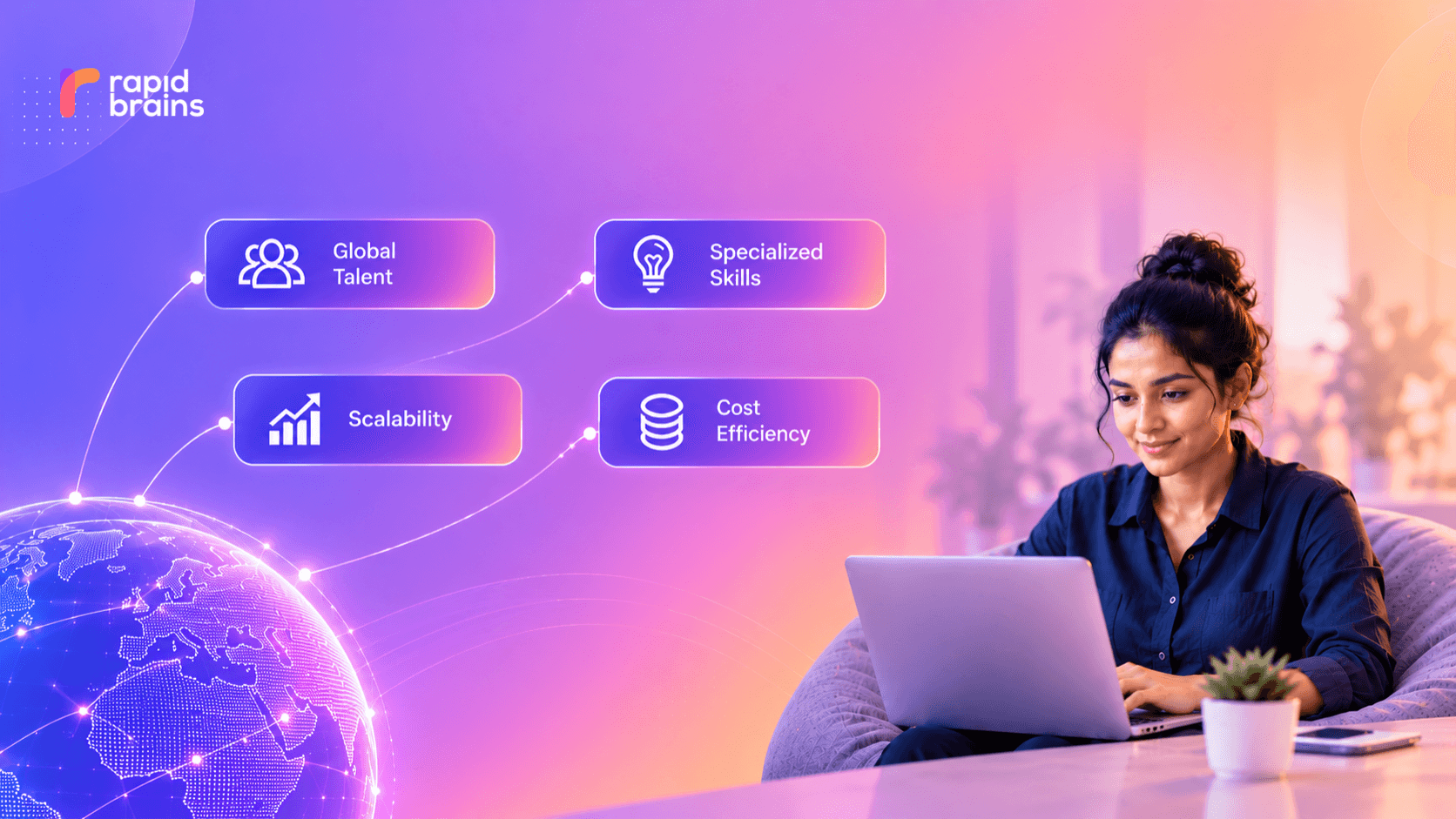
Engineering leadership has shifted focus from cost arbitrage to speed, specialized capabilities, and global talent access.
The Market Data
Market research firms evaluate the global outsourcing ecosystem through varying scopes and methodologies. Rather than relying on a single figure, examining multiple estimates provides a clearer view of the industry’s trajectory:
| Research Firm | Market Valuation Range | Timeline & Focus |
| Saigon Technology | $807.9 Billion to $1.22 Trillion | 2025 to 2030 (Global IT Services Outsourcing) |
| Straits Research | $565.2 Billion to $833.66 Billion | 2025 to 2033 (IT Outsourcing Market) |
| Mordor Intelligence | $638.65 Billion to $752.08 Billion | 2026 to 2031 (IT Outsourcing Sector) |
The total business process and technology outsourcing market reached roughly $4.2 trillion, with projections targeting $7.1 trillion by 2030 at an 11.3% CAGR. Software engineering and IT infrastructure represent one of the fastest-accelerating segments within this broader expansion.
Driver 1: Local Talent Bottlenecks Are Accelerating Global Hiring
Sourcing specialized engineering talent locally has become a structural challenge for tech companies. A persistent global shortage of 4.8 million cybersecurity specialists, combined with high demand for artificial intelligence and cloud architects, has turned local recruiting into an operational bottleneck.
Data shows that 46% of technology companies currently outsource core technology functions, while another 42% plan to initiate offshore integrations over the next 12 months.
To maintain product velocity, engineering managers are looking past regional talent pools. Platforms like RapidBrains solve this bottleneck by providing instant access to over 500,000 pre-screened developers globally, handling local compliance and Employer of Record (EOR) requirements to streamline cross-border hiring.
Driver 2: The Shift From Cost-Cutting to Strategic Capability
Outsourcing is no longer restricted to tactical maintenance or legacy bug fixes. Executive sentiment reflects a broader repositioning of external talent:
- Budget Retention: According to Deloitte’s Global Outsourcing Survey, 80% of executives plan to maintain or increase their investment in third-party talent services.
- Core Product Focus: Over 50% of executives now deploy offshore teams for core functions, including research and development, machine learning pipeline design, and high-impact product features.
When engineering teams integrate distributed talent into core development, offshore resources act as strategic extensions of the internal team rather than peripheral support.
Driver 3: AI and Cloud Infrastructure Redefine Specialized Roles
Generative AI and automated tooling have fundamentally shifted the types of roles companies build offshore. High-value engineering disciplines have taken priority over basic web development:
- Cybersecurity & Infrastructure: Tied at 72%, security architecture and cloud management have become the most frequently outsourced functions, driven by complex compliance mandates and global threat environments.
- AI-Augmented Engineering: Companies are actively recruiting developers who specialize in model integration, data pipeline engineering, and AI workflow automation.
For a deeper breakdown on evaluating modern software roles, read our guide on Prompt Engineers vs. Full-Stack AI Developers.
Driver 4: The Rise of Hybrid Models (GCCs + EOR)
Companies seeking greater control over their technical IP and operational culture are moving away from traditional project-based vendors. Global Capability Centers (GCCs), which operate as in-house offshore development hubs, are projected to generate $110 billion in revenue by 2030.
However, establishing a dedicated entity in another country requires significant legal, tax, and HR overhead. This structural dynamic is driving the adoption of the hybrid offshore model:
- GCC Operational Control: Companies maintain direct daily engineering management and cultural alignment.
- EOR Legal Infrastructure: A partner manages local compliance, payroll, and legal insulation.
Organizations retain full technical and cultural direction over dedicated remote software developers, while partnering with an EOR infrastructure provider to handle administrative burdens without establishing a foreign subsidiary.
For more details on navigating these regulatory hurdles, see our post on How Compliance and Payroll Slow Down Engineering Growth.
Building a Distributed Engineering Team
To build an offshore team effectively, consider these core operational focus areas:
- Prioritize Capability Over Cost Arbitrage: Focus candidate evaluation on architectural vision, system design capabilities, and asynchronous communication proficiency.
- Evaluate Compliance Infrastructure Early: Ensure your talent partner provides complete legal insulation, local contract enforcement, and IP protection standards.
- Screen for AI Tooling Proficiency: Assess candidate familiarity with AI-assisted workflows, code generation tools, and automated testing frameworks.
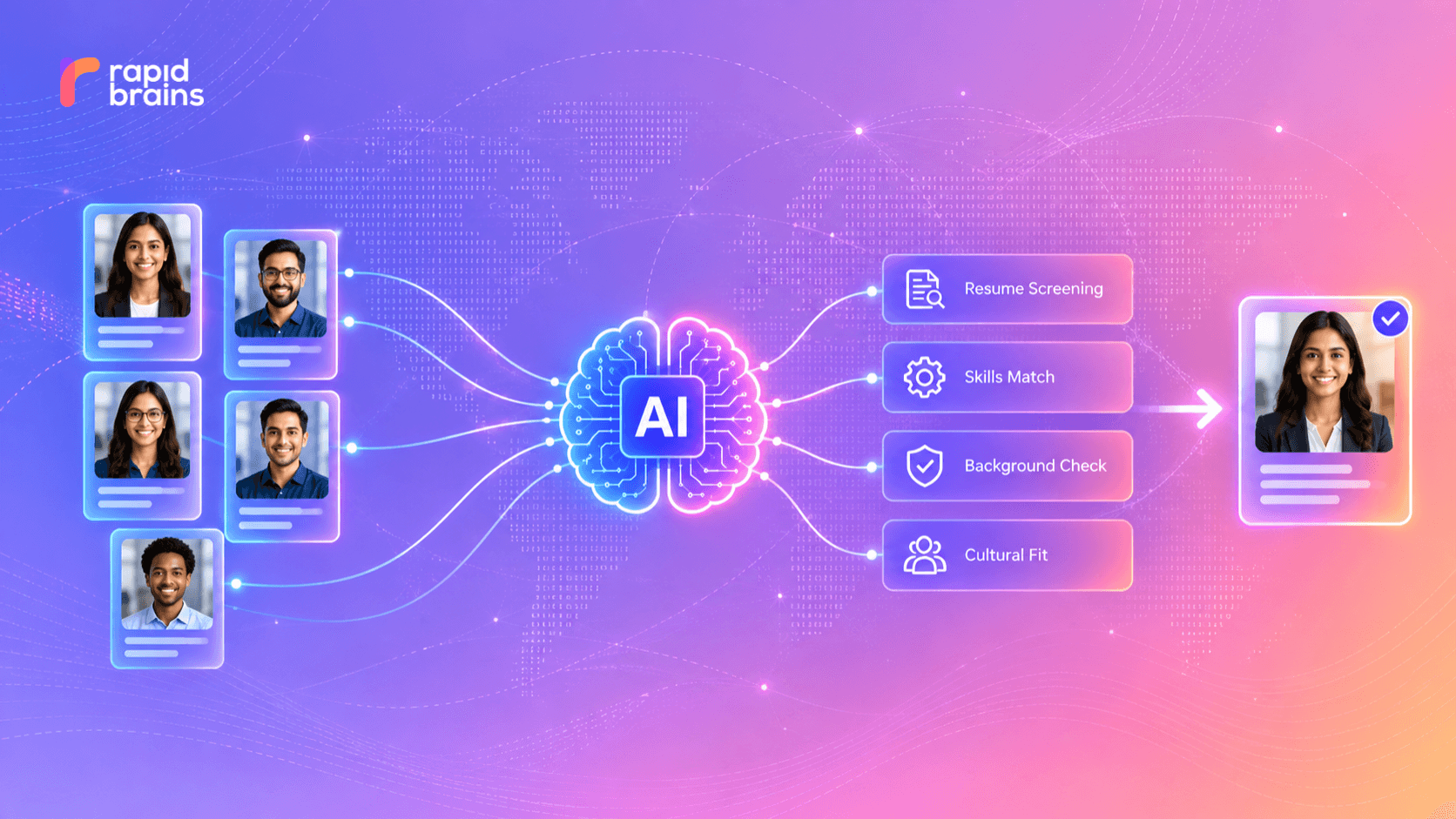
To see how modern recruitment workflows use automated screening to evaluate candidate quality at scale, check out our insights on AI-Powered Vetting in Offshore Recruiting.
The expanding valuation of global technology outsourcing is more than a macro statistic; it reflects how modern software companies structure their engineering organizations. As talent access, structural speed, and AI integration drive team building, the question is no longer whether to hire globally, but how efficiently you can integrate global engineering talent into your core operations.